
How the treatment works
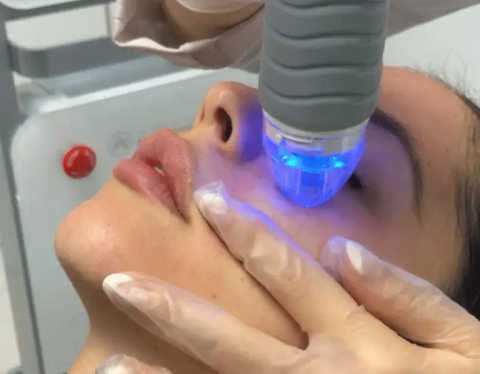
Fractional radiofrequency delivers focused radiofrequency energy into the skin to stimulate collagen production. The device creates microscopic channels—only a fraction of the surface is treated—so intact surrounding tissue supports faster healing. Collagen remodeling occurs gradually as the skin’s repair processes respond to those micro-injuries, which is why visible improvement typically evolves over weeks rather than instantly.
During treatment you may feel controlled warmth and brief pulses as energy targets deeper layers; comfort levels vary by individual. Because only portions of skin are treated at each session, redness and mild swelling are common but usually short-lived. Expect minimal downtime, and plan sun protection during recovery—Miami’s tropical sun can increase sensitivity after procedures.
What to expect during session
Most visits begin with a consultation to identify target zones and discuss expectations. A typical appointment for a single area lasts 60 MINUTES, allowing time for evaluation, treatment, and brief aftercare instructions. Providers adjust energy settings and treatment patterns to the individual’s skin response during the session rather than using a one-size-fits-all approach.
Fractional treatment means only sections of the skin are exposed to energy each session, leaving intervening tissue intact to speed recovery. That fractional pattern also influences how results emerge: collagen stimulation occurs over time, so improvements in texture and firmness typically develop progressively as the skin remodels rather than immediately after treatment.
Local considerations and recovery
Location and lifestyle shape practical choices after Fractional RF. Dermal Era is in Coral Gables near Miracle Mile and the Biltmore, so many clients combine treatments with shopping, lunch-hour visits, or morning commutes on US‑1. We promote early-morning express appointments and shorter midday bookings to fit University of Miami students and busy commuters into treatment schedules.
Aftercare must account for Miami’s tropical climate: hot, humid summers and strong sun increase photosensitivity during healing. Avoid direct sun exposure and use broad-spectrum sunscreen once your provider clears you to reintroduce sun protection. Mild winters make outdoor activities easier when recovering, but always follow post-treatment care instructions tailored by the clinician.